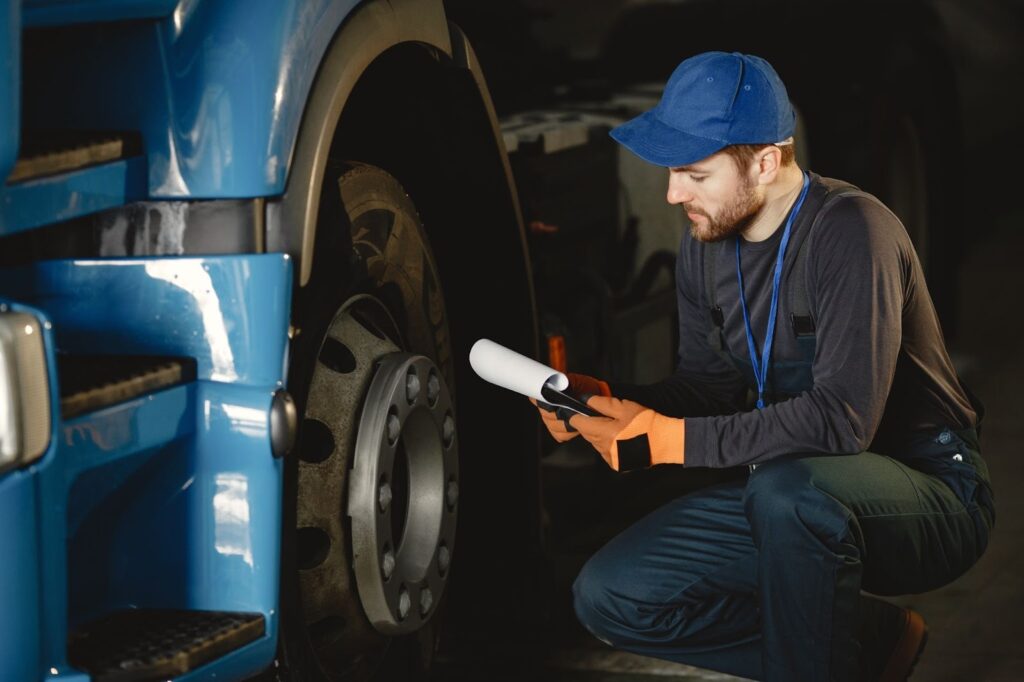
For fleet managers and owner-operators, the braking system is not just a mechanism it is the lifeline of the business. A single brake failure can lead to catastrophic accidents, expensive downtime, and crippling Department of Transportation (DOT) violations.
Commercial truck brake repair is not merely about swapping out pads; it is a complex discipline involving pneumatics, physics, and strict regulatory compliance. Whether you operate a Class 8 semi-truck, a medium-duty box truck, or a heavy-duty vocational vehicle, understanding your braking system is the first line of defense against disaster.
In this guide, we will break down everything you need to know about heavy-duty brake repair, from diagnosing air leaks to understanding the costs of a full overhaul.
Air Brakes vs. Hydraulic Brakes: Knowing Your System
Before diving into repair protocols, it is critical to distinguish between the two primary systems found in commercial vehicles.
1. Air Brake Systems
Used primarily in heavy-duty trucks (Class 6-8), buses, and semi-trailers, air brakes use compressed air to apply pressure. They are preferred for heavy loads because air is infinite (as long as the compressor works), and the system includes a fail-safe: if air pressure is lost, the spring brakes automatically engage to stop the vehicle.
- Key Components: Air compressor, air dryer, reservoirs (tanks), foot valve, brake chambers, slack adjusters, S-cams, and drums (or rotors).
2. Hydraulic Brake Systems
Found in lighter commercial vehicles (Class 3-5) and some medium-duty trucks, these work similarly to passenger car brakes, using fluid to transfer force.
- Key Components: Master cylinder, brake fluid lines, calipers, rotors, and pads.
Note: This guide focuses primarily on air brake systems, as they are the standard for the heavy trucking industry and require the most specialized repair knowledge.
5 Critical Signs You Need Commercial Truck Brake Repair
Waiting for a breakdown is not an option in the logistics industry. Drivers and fleet managers must be vigilant for these early warning signs that indicate immediate service is required.
1. The “Brake Fade” Phenomenon
If a driver reports that the brakes feel less effective after descending a steep grade or during heavy traffic, they are experiencing brake fade. This is often caused by overheating, which changes the chemical structure of the brake lining (glazing), reducing friction. Glazed brakes cannot simply be cooled down; the linings often need replacement.
2. Audible Air Leaks
A healthy air brake system will have minor venting sounds, but a continuous hiss when the truck is idling or when the brake pedal is depressed indicates a leak. Leaks in the brake chamber diaphragms or air lines compromise the system’s ability to build the required 100–125 PSI, leading to safety lockouts.
3. Pulling or Grabbing
If the truck jerks to the left or right during braking, it suggests an imbalance. This could be due to a seized caliper, a frozen S-cam bushing, or uneven wear on the brake shoes. This puts uneven stress on the suspension and tires, multiplying your repair costs.
4. Squealing and Grinding
- Squealing: Usually indicates vibrations caused by glazed linings or dirt buildup.
- Grinding: This is the sound of metal-on-metal. It means the friction material is completely gone, and the brake shoe rivets are digging into the brake drum. This upgrades a simple shoe replacement to a costly drum replacement.
5. Excessive Slack Adjuster Travel
Modern trucks use Automatic Slack Adjusters (ASAs). If your pushrod travel exceeds the DOT limit (typically 2 inches for standard Type 30 chambers), your brakes are out of adjustment. Warning: If an ASA is out of adjustment, it usually means the adjuster itself is failing. Manually adjusting an automatic slack adjuster is a temporary fix that often masks the real mechanical failure.
The Anatomy of a Heavy-Duty Brake Job
When you take your vehicle to a professional shop for commercial truck brake repair, the technician performs a multi-step process. Understanding this workflow helps you verify that you are getting quality service.
Step 1: The Diagnostic Inspection
A qualified mechanic will not just start wrenching. They will perform a component check:
- Air Pressure Build-Up Test: Ensuring the compressor builds from 85 to 100 PSI within 45 seconds.
- Leak-Down Test: checking if the system holds pressure with the engine off and brakes applied.
- Lining Thickness Check: DOT regulations generally require a minimum of 1/4 inch (6.4mm) for drum brakes.
Step 2: The Tear Down
Technicians remove the wheels and drums. This is the “moment of truth” where hidden damage is revealed.
- Heat Checking: Mechanics look for “leopard spots” or deep cracks on the brake drums caused by excessive heat.
- S-Cam Inspection: The S-cam shaft twists to push the shoes out. If the bushings are worn, the cam will have play, causing irregular wear.
Step 3: Component Replacement & Lubrication
A quality brake job always includes hardware kits. Reusing old springs, rollers, and anchor pins is a recipe for failure.
- Shoe Replacement: Installing new (or remanufactured) brake shoes with high-grade friction material (20,000 lbs or 23,000 lbs GAWR ratings).
- Lubrication: This is the most skipped step in cheap repairs. The S-cam splines and bushings must be greased to ensure the brakes release fully. Sticking brakes cause fuel mileage to drop significantly.
Step 4: Adjustment and Road Test
Technicians reset the slack adjusters and cage the spring brakes. A final road test ensures the ABS system is communicating correctly and the truck stops in a straight line.
Avoiding the “Out of Service” (OOS) Tag
The Federal Motor Carrier Safety Administration (FMCSA) and the Commercial Vehicle Safety Alliance (CVSA) conduct roadside inspections that can ground your fleet. Brake violations are historically the #1 cause of Out-of-Service orders during the annual International Roadcheck.
The 20% Rule
Under CVSA guidelines, if 20% or more of the service brakes on a combination vehicle are defective (e.g., out of adjustment), the entire truck is placed Out of Service until repaired.
Common Automatic Failures:
- Cracked brake drums/rotors.
- Air leaks that cannot maintain pressure.
- Missing or broken brake components (return springs, etc.).
- Mismatched brake chamber sizes on the same axle.
Pro Tip: Keep a record of your brake inspections in the cab. A documented history of maintenance can sometimes show an officer that you are diligent, even if a minor issue arises.
Preventive Maintenance: Extending Brake Life
You can reduce the frequency of commercial truck brake repair by implementing a rigorous preventive maintenance (PM) schedule.
Daily Drivers Checks
- Drain Air Tanks: Compressed air generates moisture. If not drained daily, water pools in the tanks and lines. In winter, this freezes and blocks air flow.
- Clean the Gladhands: Dirt in the air couplers moves straight into the trailer brake valves.
Monthly/Quarterly Shop Checks
- Grease the Slack Adjusters: Proper lubrication purges contaminants and keeps the automatic adjusters working freely.
- Check the Air Dryer: The air dryer cartridge removes moisture and oil from the compressor. Replace this annually or whenever you find moisture in the wet tank.
- Inspect Rubber Hoses: Look for chafing or bubbling. A blown air line on the highway is an instant breakdown.
Cost Factors in Commercial Truck Brake Repair
Budgeting for maintenance is difficult because costs vary wildly based on the truck’s condition. Here is a breakdown of what influences the final invoice.
1. Parts Quality (OEM vs. Aftermarket)
- Economy Grade: Cheaper friction material. Good for light loads or flat terrain but wears out faster and may suffer brake fade in mountains.
- Premium/Severe Duty: hardened friction material designed for heavy haulers, refuse trucks, and logging. Higher upfront cost, but longer lifespan.
2. Extent of Damage
- Basic Shoe Slap: Changing just the shoes is affordable (approx. $300-$500 per axle depending on labor).
- Full Wheel End: If you need new drums, S-cams, bushings, chambers, and slack adjusters, the cost can easily triple per axle.
3. Labor Rates
Commercial diesel mechanic rates vary by region, typically ranging from $110 to $180+ per hour. Mobile truck repair services will charge a “call-out fee” in addition to hourly labor, which increases the price but saves towing costs.
Choosing the Right Repair Shop
Not all shops are equipped for heavy-duty work. When searching for “commercial truck brake repair near me,” look for these qualifiers:
- ASE Certified Technicians: specifically in the “T-Series” (Medium-Heavy Truck) exams, particularly T4 (Brakes).
- Heavy-Duty Equipment: Do they have the lifts, jacks, and torque guns required for semi-trucks? Passenger car shops cannot handle the torque specs of a Class 8 lug nut (450-500 ft-lbs).
- Parts Inventory: A shop that stocks common brake shoes (like 4707 or 4515 linings) and drums ensures you get back on the road the same day.
- Mobile Capabilities: If your brakes lock up on the roadside, you need a shop that can bring the repair to you.
Conclusion
Commercial truck brake repair is not an area where you can cut corners. The safety of your driver, the integrity of your cargo, and the reputation of your company rest on those brake linings.
By ignoring a slight hiss of air or a soft pedal, you risk failing a DOT inspection or, worse, causing a collision. Implement a strong preventive maintenance schedule, train your drivers to report issues immediately, and partner with a certified heavy-duty repair shop that understands the intricacies of air brake systems.Ready to ensure your fleet is road-ready? Don’t wait for the squeal to turn into a grind. Schedule a comprehensive brake inspection today to keep your wheels turning and your business profitable.